Healthy Lunch Vegetable Sushi Rolls
Highlighted under: Light Meal Inspirations
I absolutely love making these Healthy Lunch Vegetable Sushi Rolls! They’re not only vibrant and delicious but also a great way to incorporate fresh veggies into my diet. I find that rolling sushi at home allows me to customize each roll to my taste, using whatever vegetables I have on hand. This recipe is an exciting blend of textures and flavors, making lunch feel like a treat rather than a chore. Plus, they’re fun to prepare and enjoy with friends or family!
Creating these Healthy Lunch Vegetable Sushi Rolls was such a delightful experience! I tried various vegetables like cucumber, avocado, and bell pepper, finally settling on a colorful mix that not only looks appealing but also tastes fantastic. The key to successful rolling is using a bamboo mat for that perfect tightness, ensuring each bite is full of flavor and texture.
I found that letting the sushi rice cool completely before assembling the rolls makes it easier to handle. It’s all about balance—too much ingredient makes rolling difficult, so I recommend using just enough filling to let each flavor shine through without overwhelming the roll.
Why You Will Love This Recipe
- Fresh and vibrant flavors from seasonal vegetables
- A fun and interactive meal preparation process
- Healthy and light, perfect for a midday boost
Understanding Sushi Rice
The type of rice you choose for sushi rolls is crucial for achieving the right texture. Sushi rice is sticky, which helps the rolls hold together. It’s essential to rinse the rice thoroughly before cooking; this removes excess starch, helping the grains cook evenly. Aim for a glossy appearance after cooking, as this indicates the rice has absorbed enough water. Using a rice cooker ensures consistent results, but if you prefer stovetop cooking, keep the heat low and cover the pot to avoid burning.
Another key factor in sushi rice preparation is seasoning. After cooking, you can season the rice with a mixture of rice vinegar, sugar, and salt. This adds a subtle tanginess that enhances the flavor of your sushi rolls. Just fold the seasoning into the rice gently, using a wooden spatula to avoid mashing the grains. This should be done while the rice is still warm to ensure even distribution.
Perfecting the Roll Technique
Rolling sushi may seem intimidating, but with practice, it becomes a fun and engaging activity. When spreading the sushi rice over the nori, remember to leave about an inch of space at the top—this will make it easier to seal. If you dampen your fingers with water while handling the rice, it will prevent sticking. Use light pressure when rolling; applying too much force can squish the ingredients out, resulting in an unappealing presentation.
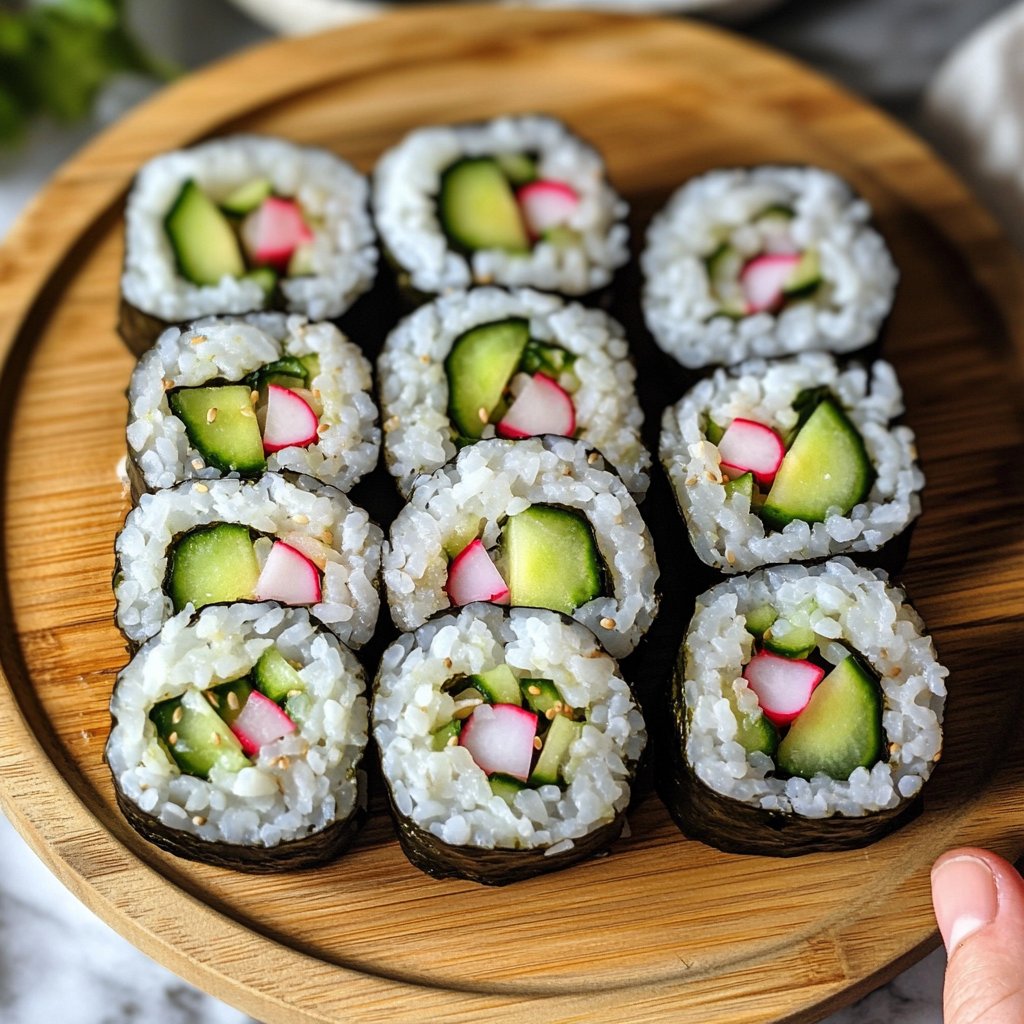
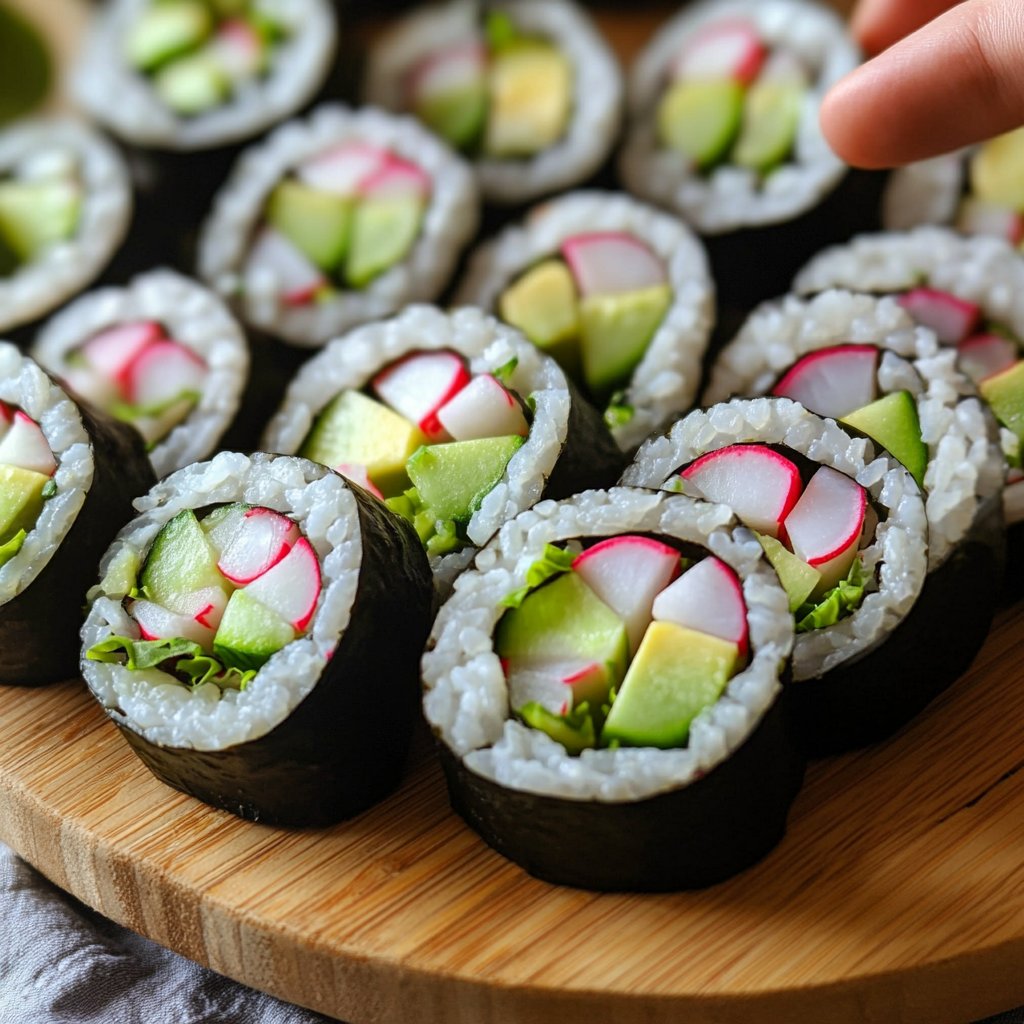
Slice the rolls with a sharp, wet knife to ensure clean cuts. A serrated knife works well for this task. Cut the rolls in half first, then slice each half into smaller pieces, aiming for about 1-inch segments. For a visually appealing presentation, arrange the pieces on a platter in a way that showcases the colorful vegetables peeking out of each sushi roll.
Ingredients
Here are the ingredients you'll need:
Ingredients
- 2 cups sushi rice
- 2.5 cups water
- 4 sheets nori
- 1 cucumber, julienned
- 1 carrot, julienned
- 1 bell pepper, thinly sliced
- 1 avocado, sliced
- Soy sauce for dipping
- Sesame seeds (optional)
Gather everything you need and let's start rolling!
Instructions
Follow these simple steps to prepare your sushi rolls:
Prepare the Sushi Rice
Rinse the sushi rice under cold water until the water runs clear. Combine the rice and water in a rice cooker and cook according to the manufacturer's instructions. Once cooked, let the rice cool to room temperature.
Assemble Your Ingredients
While the rice is cooling, prepare your vegetables by cutting them into thin strips. Lay them out on a plate for easy assembly.
Roll the Sushi
Place a sheet of nori, shiny side down, on a bamboo sushi mat. Spread a thin layer of cooled sushi rice over the nori, leaving a small border at the top. Lay your vegetable strips horizontally across the rice, then gently roll the sushi away from you using the mat, applying light pressure to create a tight roll.
Slice and Serve
Once rolled, use a sharp knife to slice the sushi into bite-sized pieces. Serve with soy sauce and sprinkle with sesame seeds if desired.
Enjoy your healthy sushi rolls!
Pro Tips
- If you're feeling adventurous, try adding other fillings like tofu or cooked shrimp for extra protein. Always wet your knife before cutting to make cleaner slices.
Ingredient Variations
Feel free to get creative with the vegetables in your sushi rolls! Options like radishes, zucchini, or sweet potato can provide a unique flavor profile. If you have leftover grilled vegetables, they also make a delicious addition. For a protein boost, consider adding strips of cooked chicken, shrimp, or tofu. These variations not only enhance the nutritional value but can also delight your taste buds with new combinations.
If you're looking for a gluten-free option, use tamari instead of regular soy sauce for dipping. Additionally, there are other creative additions, such as pickled ginger or wasabi, which can elevate the flavor experience. For those who enjoy spice, consider adding sliced jalapeños or sriracha to your filling for a kick.
Make-Ahead Tips
These sushi rolls can be prepared in advance, making them perfect for meal prep. After rolling, store them wrapped in plastic wrap to keep them fresh. Ideally, consume them within a day or two for the best texture and flavor. If you need to store sushi rice separately, keep it in an airtight container in the refrigerator, and use it within two days to maintain its quality.
To revive leftover rolls, consider briefly microwaving them for about 10-15 seconds just to warm them slightly, which can enhance flavor. However, avoid overheating as this can make the rice too tough. A light drizzle of soy sauce can also help reintroduce moisture if you find the rice has dried out.
Questions About Recipes
→ Can I use brown rice instead of white sushi rice?
Yes, you can use brown rice, but note that it may require a longer cooking time and may alter the texture.
→ How do I store leftover sushi rolls?
Wrap them tightly in plastic wrap and refrigerate for up to 24 hours. Enjoy them cold or at room temperature.
→ What toppings can I add?
Feel free to add toppings like spicy mayo, pickled ginger, or sliced scallions for extra flavor.
→ Are these vegan-friendly?
Absolutely! All the ingredients used in this recipe are plant-based.
Healthy Lunch Vegetable Sushi Rolls
Created by: Noemi Turner
Recipe Type: Light Meal Inspirations
Skill Level: Beginner
Final Quantity: 4 rolls
What You'll Need
Ingredients
- 2 cups sushi rice
- 2.5 cups water
- 4 sheets nori
- 1 cucumber, julienned
- 1 carrot, julienned
- 1 bell pepper, thinly sliced
- 1 avocado, sliced
- Soy sauce for dipping
- Sesame seeds (optional)
How-To Steps
Rinse the sushi rice under cold water until the water runs clear. Combine the rice and water in a rice cooker and cook according to the manufacturer's instructions. Once cooked, let the rice cool to room temperature.
While the rice is cooling, prepare your vegetables by cutting them into thin strips. Lay them out on a plate for easy assembly.
Place a sheet of nori, shiny side down, on a bamboo sushi mat. Spread a thin layer of cooled sushi rice over the nori, leaving a small border at the top. Lay your vegetable strips horizontally across the rice, then gently roll the sushi away from you using the mat, applying light pressure to create a tight roll.
Once rolled, use a sharp knife to slice the sushi into bite-sized pieces. Serve with soy sauce and sprinkle with sesame seeds if desired.
Extra Tips
- If you're feeling adventurous, try adding other fillings like tofu or cooked shrimp for extra protein. Always wet your knife before cutting to make cleaner slices.
Nutritional Breakdown (Per Serving)
- Calories: 200 kcal
- Total Fat: 4g
- Saturated Fat: 0g
- Cholesterol: 0mg
- Sodium: 10mg
- Total Carbohydrates: 42g
- Dietary Fiber: 5g
- Sugars: 2g
- Protein: 5g