Korean Soups and Stews
Highlighted under: Cuisine Explorer Studio
Discover the rich and diverse world of Korean soups and stews, a cornerstone of Korean cuisine that offers warmth and comfort in every bowl.
Korean soups and stews are not just meals; they’re a cultural experience. Each bite tells a story of tradition, flavor, and comfort.
Why You'll Love This Recipe
- A delightful combination of spices and ingredients that warms the soul
- Versatile recipes that cater to all tastes, from spicy to mild
- Perfect for family gatherings or cozy nights in
The Essence of Korean Soups
Korean soups, known as 'guk', are more than just a meal; they are a cultural experience that embodies the heart of Korean cuisine. Each bowl represents a balance of flavors, from spicy to savory, often incorporating fresh ingredients that highlight the region's agricultural bounty. The use of kimchi not only adds depth but also brings a unique probiotic benefit, making these soups both delicious and wholesome.
Traditionally, these soups are enjoyed as a staple in Korean households, often served with rice and side dishes. The communal aspect of sharing a pot of soup brings families and friends together, fostering a sense of warmth and togetherness. Whether served on a chilly day or during special occasions, Korean soups are a comfort food that resonates with many.
Understanding Korean Stews
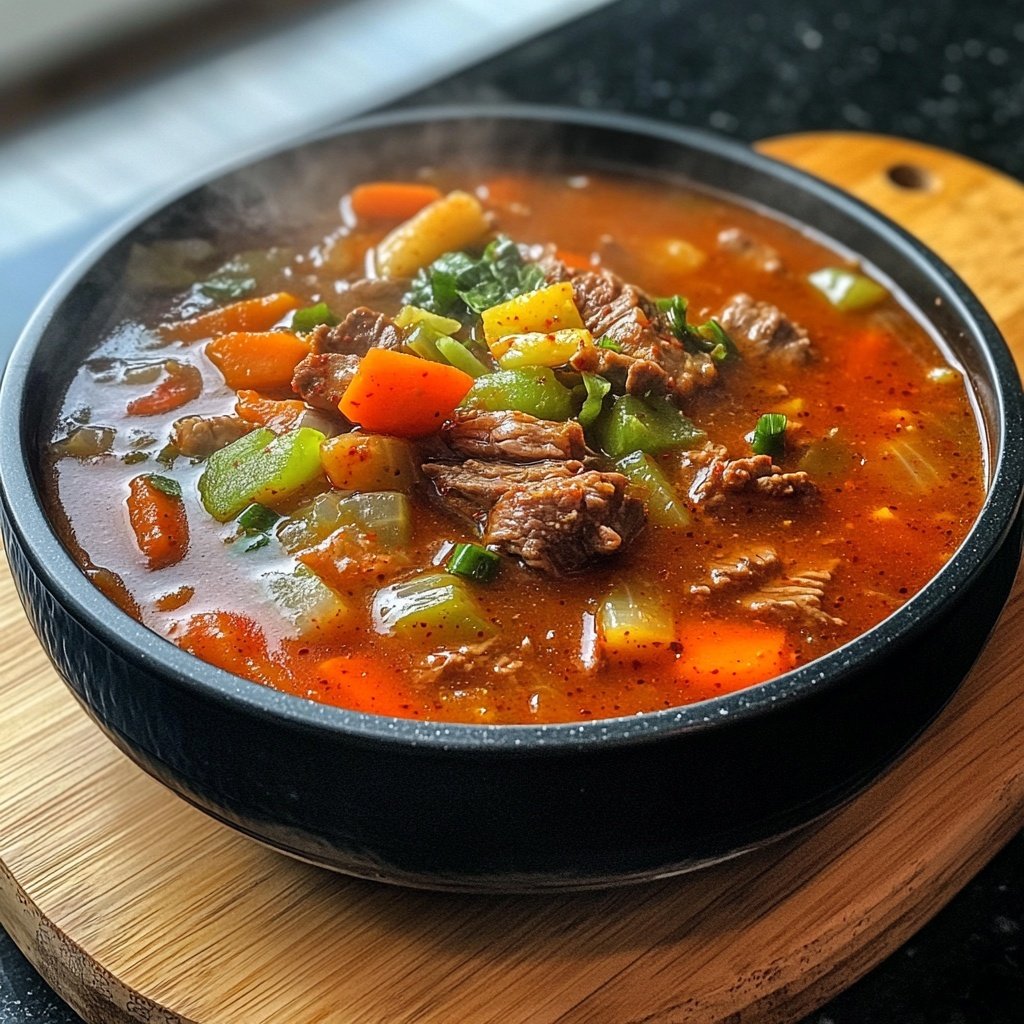
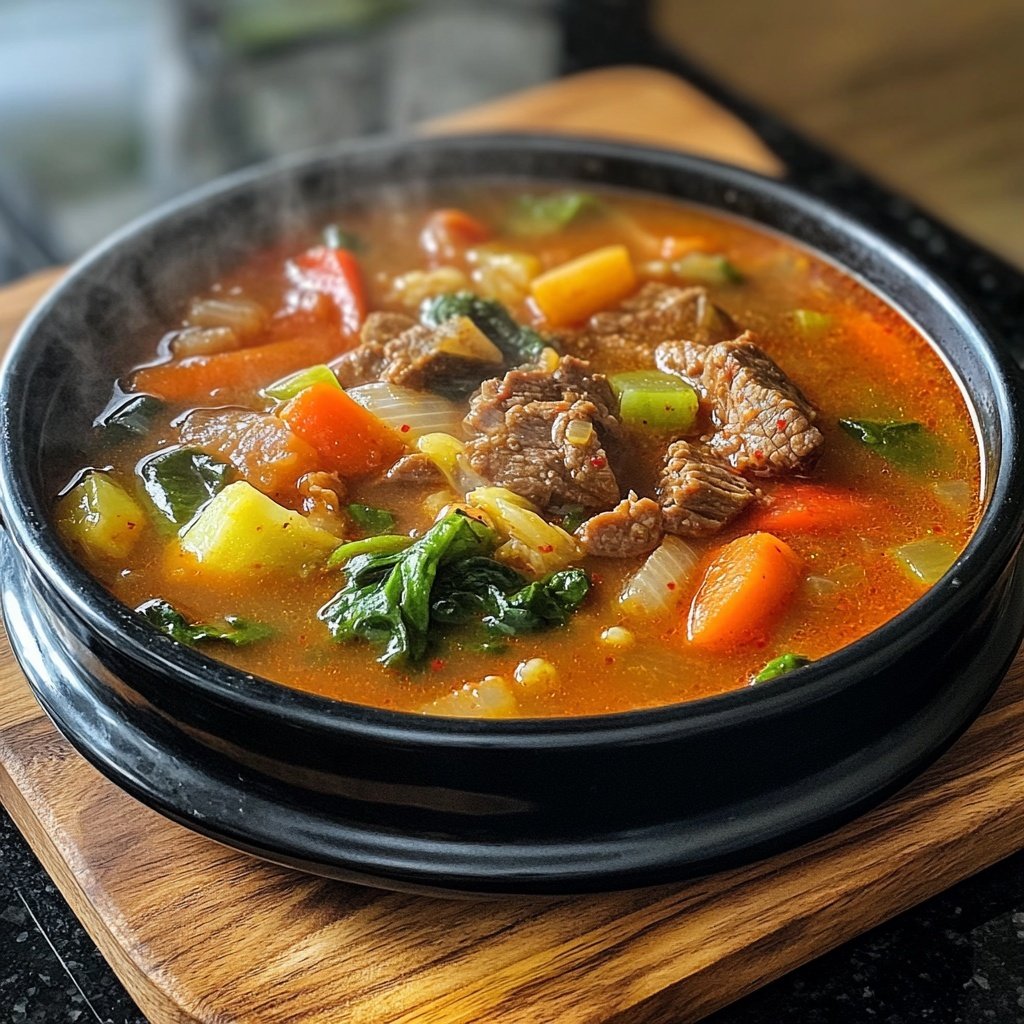
Korean stews, or 'jjigae', are heartier than soups and typically feature a rich broth filled with an array of ingredients. The slow cooking process allows flavors to develop beautifully, creating a dish that is both satisfying and flavorful. Ingredients like beef, tofu, and vegetables come together, resulting in a nourishing meal that warms you from the inside out.
Stews are often the centerpiece of a Korean meal, showcasing the balance of flavors and textures. They are versatile, allowing for variations depending on personal preferences and seasonal ingredients. The addition of spices like gochugaru enhances the flavor profile, offering a blend of heat and umami that is characteristic of Korean cuisine. Each bowl tells a story, reflecting the love and care that goes into preparing these meals.
Ingredients
Korean Soup Ingredients
- 2 cups of water
- 1 cup of kimchi, chopped
- 1/2 pound of tofu, cubed
- 1 tablespoon of gochujang (Korean chili paste)
- 2 green onions, chopped
- 1 tablespoon of sesame oil
- 1 teaspoon of garlic, minced
Korean Stew Ingredients
- 500g of beef, cut into cubes
- 4 cups of beef broth
- 1 cup of potatoes, diced
- 1 cup of carrots, sliced
- 2 tablespoons of soy sauce
- 1 tablespoon of gochugaru (Korean chili flakes)
- 1 onion, sliced
Make sure to prepare all ingredients before starting to ensure a smooth cooking process.
Instructions
Prepare the Soup
In a pot, combine water, kimchi, and garlic. Bring to a boil and then add tofu and gochujang. Simmer for 20 minutes.
Make the Stew
In a separate pot, brown the beef in sesame oil. Add onions and sauté until they become translucent. Add broth, potatoes, carrots, soy sauce, and gochugaru. Simmer for 30 minutes.
Serve hot with steamed rice and enjoy a hearty meal.
Pro Tips
- For added flavor, let the stews sit for a few hours before serving to allow the flavors to meld.
Cooking Tips for Perfect Soups
To achieve the perfect Korean soup, always start with high-quality ingredients. Fresh kimchi is essential as it provides the signature tangy flavor. Adjust the level of gochujang to suit your taste, whether you prefer a milder soup or one with a kick. Additionally, allowing the soup to simmer longer enhances the depth of flavor, making every spoonful a delight.
When using tofu, opt for firm or extra-firm varieties to ensure it holds its shape while cooking. If you're looking to add more protein, consider including seafood like clams or shrimp. They pair beautifully with the existing ingredients and elevate the dish to new heights.
Serving Suggestions for Stews
Korean stews are best served hot, ideally in a stone pot that retains heat, ensuring each bite is warm and comforting. Pair your stew with a bowl of steamed rice to soak up the rich broth, enhancing the overall dining experience. For a complete meal, consider serving with traditional side dishes, or 'banchan', such as pickled vegetables or seasoned greens, which complement the flavors beautifully.
For those who enjoy a little crunch, a sprinkle of sesame seeds or sliced green onions on top of your stew adds not only flavor but also a lovely presentation. Don't hesitate to customize your stew with seasonal vegetables or proteins, making it a versatile dish that caters to your taste.
Questions About Recipes
→ Can I make these soups and stews vegetarian?
Yes, simply replace meat with mushrooms or additional vegetables and use vegetable broth.
→ How spicy are these recipes?
The spice level can be adjusted by modifying the amount of gochujang and gochugaru used.
→ Can I freeze leftovers?
Yes, both soups and stews freeze well. Just ensure they are cooled completely before storing.
→ What can I serve with Korean soups and stews?
Serve with steamed rice, pickled vegetables, or Korean pancakes for a complete meal.
Korean Soups and Stews
Created by: Noemi Turner
Recipe Type: Cuisine Explorer Studio
Skill Level: Intermediate
Final Quantity: 4 servings
What You'll Need
Korean Soup Ingredients
- 2 cups of water
- 1 cup of kimchi, chopped
- 1/2 pound of tofu, cubed
- 1 tablespoon of gochujang (Korean chili paste)
- 2 green onions, chopped
- 1 tablespoon of sesame oil
- 1 teaspoon of garlic, minced
Korean Stew Ingredients
- 500g of beef, cut into cubes
- 4 cups of beef broth
- 1 cup of potatoes, diced
- 1 cup of carrots, sliced
- 2 tablespoons of soy sauce
- 1 tablespoon of gochugaru (Korean chili flakes)
- 1 onion, sliced
How-To Steps
In a pot, combine water, kimchi, and garlic. Bring to a boil and then add tofu and gochujang. Simmer for 20 minutes.
In a separate pot, brown the beef in sesame oil. Add onions and sauté until they become translucent. Add broth, potatoes, carrots, soy sauce, and gochugaru. Simmer for 30 minutes.
Extra Tips
- For added flavor, let the stews sit for a few hours before serving to allow the flavors to meld.
Nutritional Breakdown (Per Serving)
- Calories: 350 kcal
- Total Fat: 15g
- Saturated Fat: 5g
- Cholesterol: 50mg
- Sodium: 900mg
- Total Carbohydrates: 30g
- Dietary Fiber: 4g
- Sugars: 5g
- Protein: 20g